Chronicle of the Manor Owners
Above the entrance to the castle is the inscription: “RELINQUO INFANTIBUS AMOREM PARIAE” – “I leave behind the love of the Fatherland”.
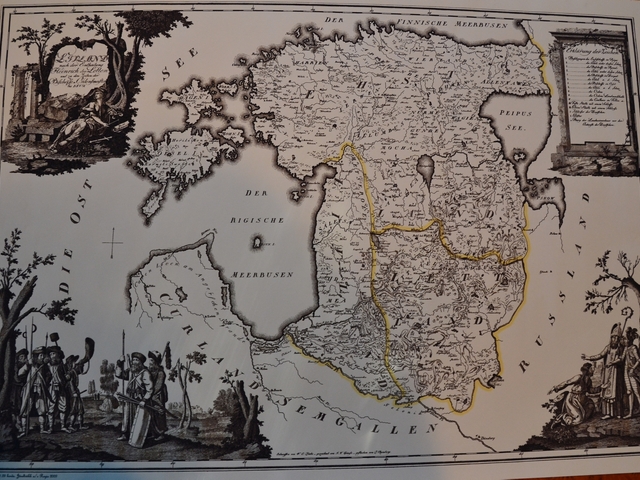
Until the 16th century, Coldeselle and Johannes Biering
In the 13th century, Livonians lived here and the place was called Coldessell – a sand dune hill, which the incoming crusaders renamed Kolceni.
During the Livonian War, Johann Biering von Helmstadt and his troops heroically and attractively liberated Turaida, Cesis and Limbaži, which had been occupied by the troops of Ivan (IV) the Terrible, receiving the Kolceni manor as a prize from the Polish-Lithuanian king. From that time on, Kolceni was called Bīriņa manor among the Latvian people.
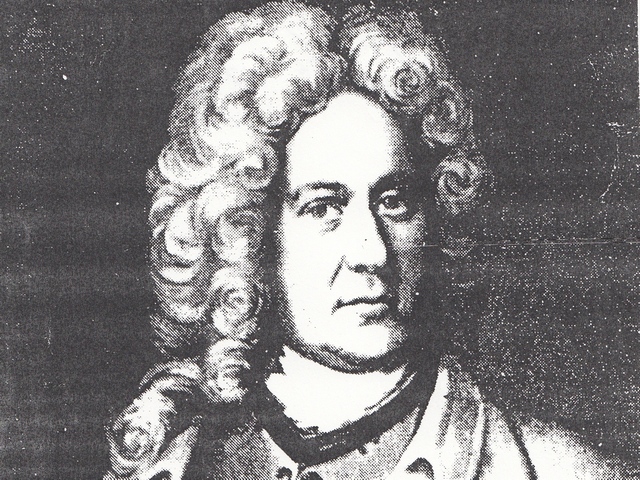
Early 18th century Baron K. J. Mengden
After the early death of Bīring, the manor was bought and sold several times until it came into the hands of the Barons Mengden. Karl Johan Baron Mengden built a new manor house in the Swedish Baroque style and several manor farm buildings.
The farm flourished. Baron Megden had two daughters, both of whom married the Mellin brothers from Estonia.
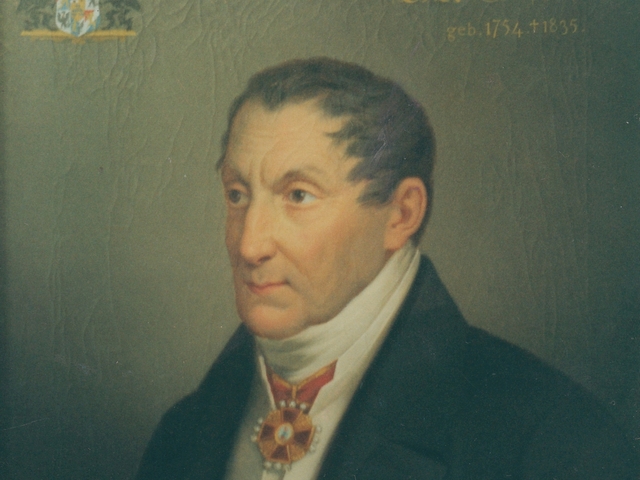
End of the 18th century Count L. A. Mellin
Ludwig August Count Mellin married in Birini. He was a prominent public and political figure of his time, a close associate of the Russian Tsar, an active fighter for the abolition of serfdom, and even a collector of folk songs.
As a cartographer, he was known for his long-term work on topographic maps of Latvia and Estonia together with J.V. Krauze. A painting with a portrait of L. A. Mellin can be seen in the Riga Shipping Museum.
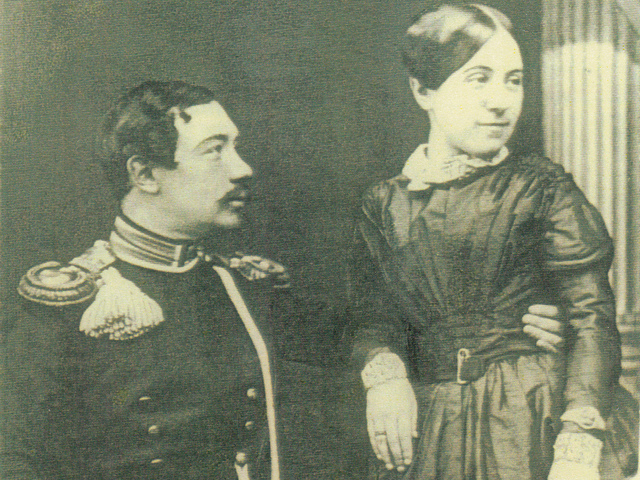
19th century and early 20th century von Pistolkors family
Count Mellin’s daughter was married to Lieutenant Colonel Alexis von Pistolkors. His son August von Pistolkors built the palace building that can be seen today in 1860 and created the Emily Park for his beloved wife Emily von Herder.
August acquired Neibad, now Saulkrasti, and established a resort there, built a school and also a white church.
After 1886, his son Alexander carried out extensive reconstruction work on the manor, built roads and continued to develop Neibad.
20th century. Independent Latvia and the Soviet era
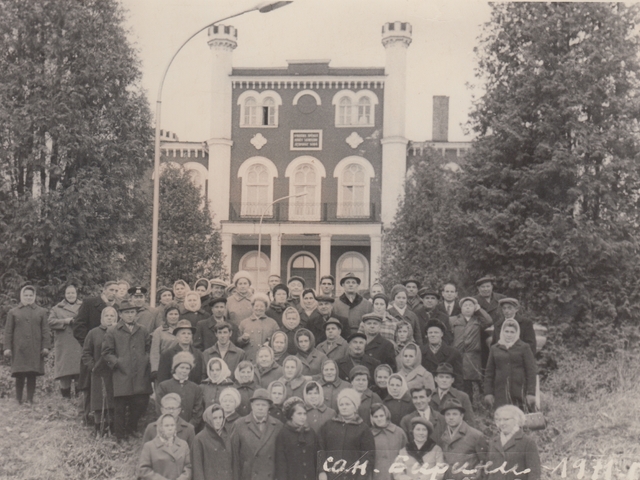
During the independent Latvia, Kolceni was officially renamed Bīriņi. In 1925, the Book Industry Sick Fund used Bīriņi Castle as a sanatorium.
After World War II, in the so-called “Soviet times”, a sanatorium was again established in Bīriņi Castle, where vacationers from all over the Soviet Union went to treat asthma and heart diseases. During this time, the interior of the castle acquired paintings reflecting Soviet ideology.
End of the 20th century and beginning of the 21st century
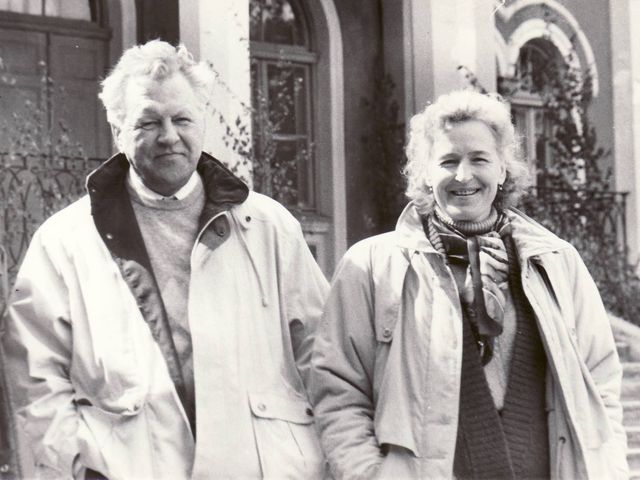
In 1993, the Castle was rented and later acquired by Jānis Vimba. He is a creative and energetic person who brings new life to the Castle.
The first conservation and cleaning works, the first ideas about management and maintenance, the first parties in Bīriņi Castle. Today, the Castle has been inherited by Jānis Vimba’s family and continues to take care of the preservation and accessibility of the cultural and historical heritage of Bīriņi Castle, banquets, seminars, excursions are held here, a restaurant, a hotel and saunas operate.